This post marks the third year of posting the Raph Round-up! I’m glad to be sticking to these monthly posts, and I hope that you enjoy them as much as I enjoy making them.
I know we’re well into February, but the reason this January edition is late is that we just came back from a big trip to the southern hemisphere (NZ/Aus). I’ve got a big backlog of photos that I’m slowly getting through from this trip, which will be coming in the Feb edition. Until then, I thought I’d share some photos from January in a snowy Copenhagen and tropical Singapore.
A cold winter in Copenhagen
Turns out that it was the coldest January in Denmark for 16 years!1 I’ve asked some locals, and they recall much cooler (and snowier) winters when they were growing up – a reminder that we’re living through global warming. You may recall that I remarked (and tested) that January of last year (2025) felt much warmer than 2024.
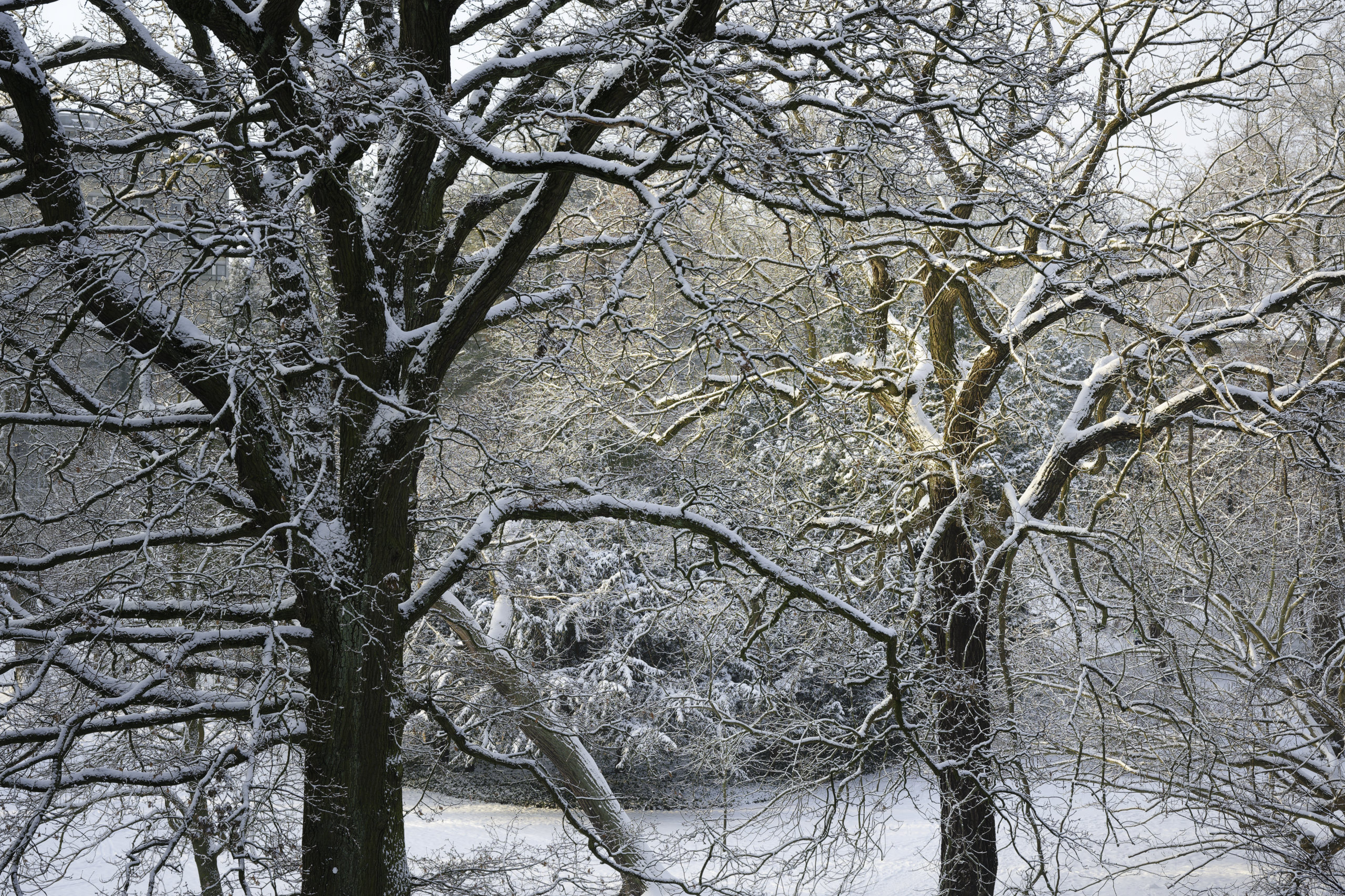
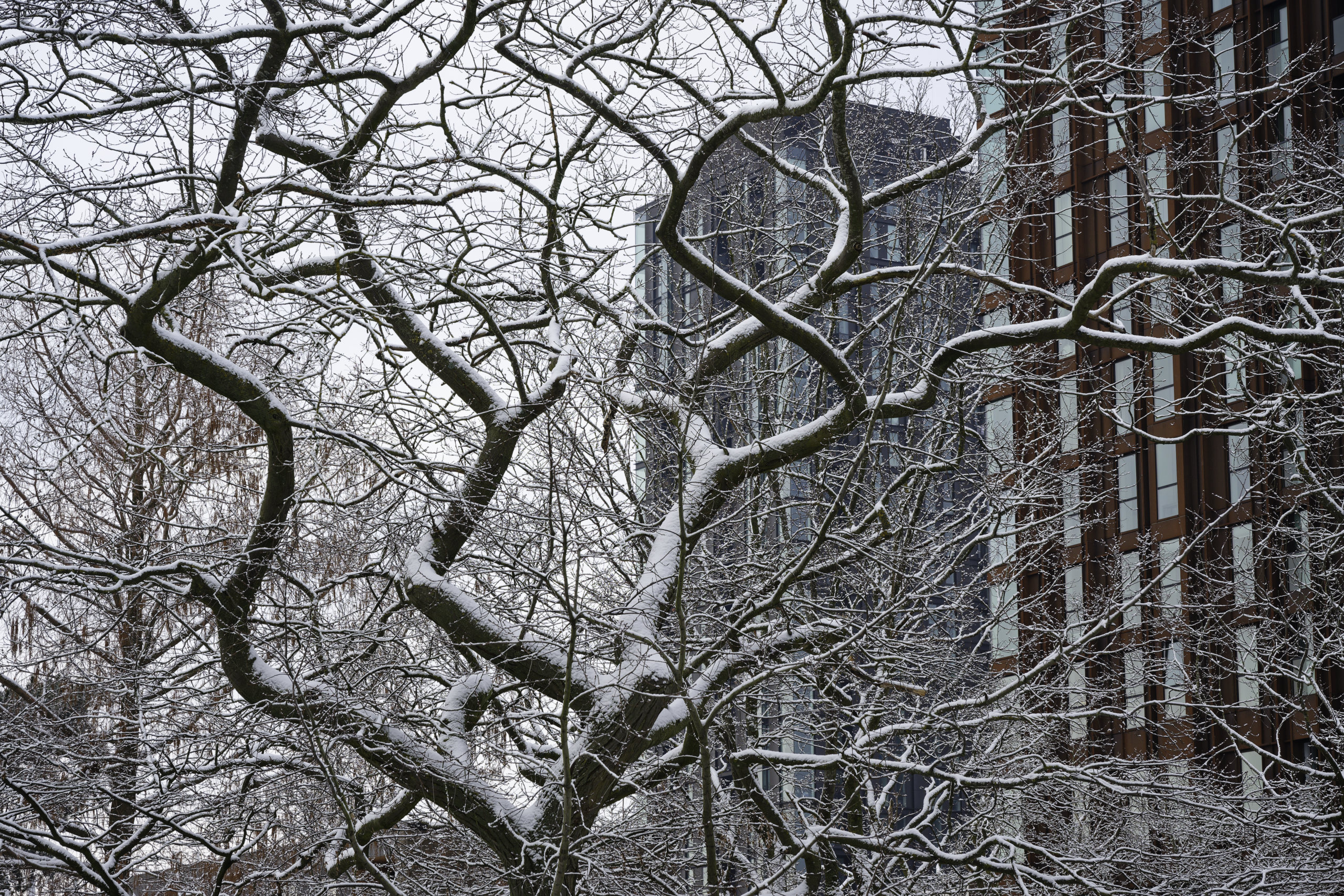
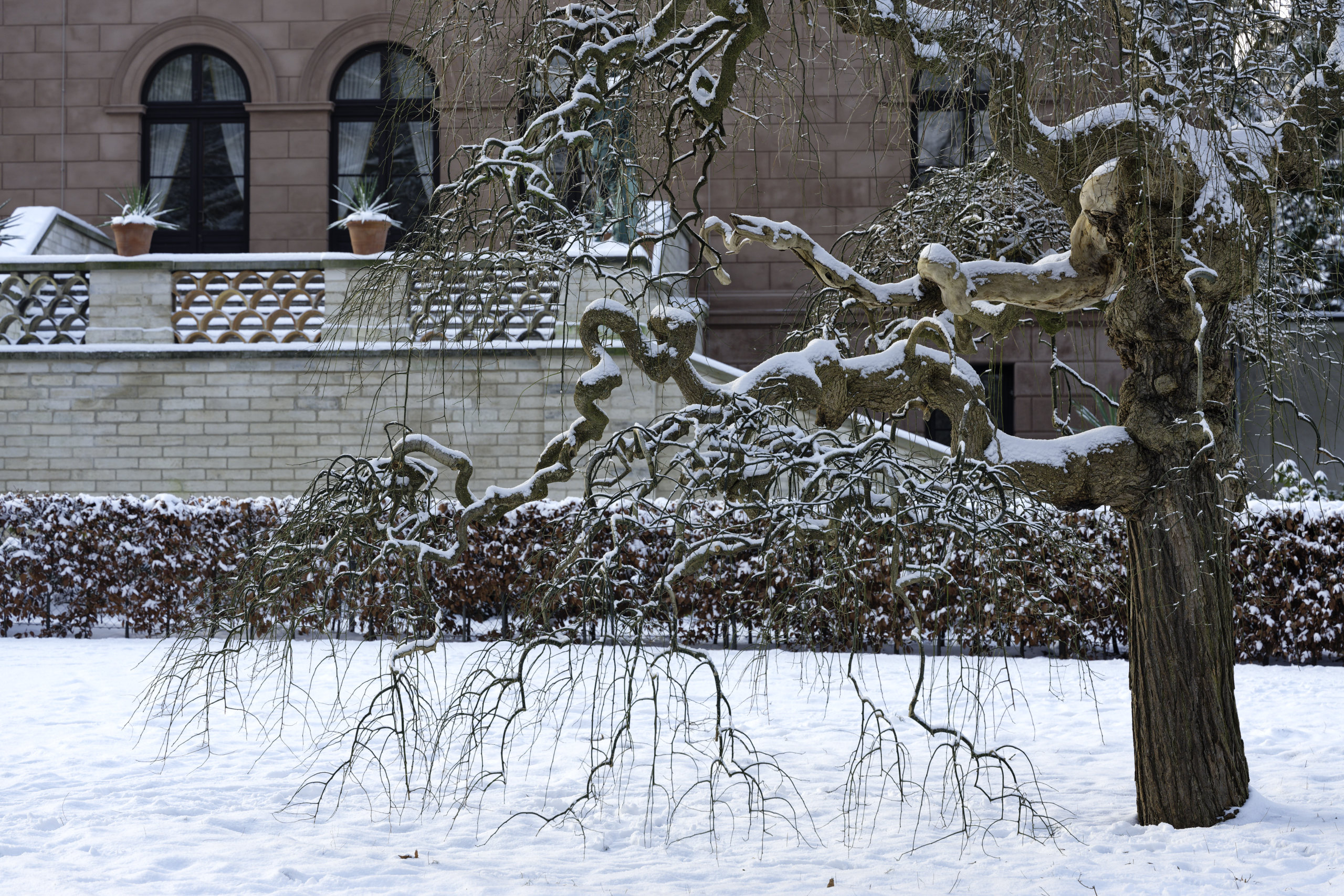
While we left for the Southern Hemisphere in January, I still had a couple of wonderful, snow-filled weeks to get out with the camera.
© 2026. This work is openly licensed via CC BY-NC 4.0
© 2026. This work is openly licensed via CC BY-NC 4.0
© 2026. This work is openly licensed via CC BY-NC 4.0
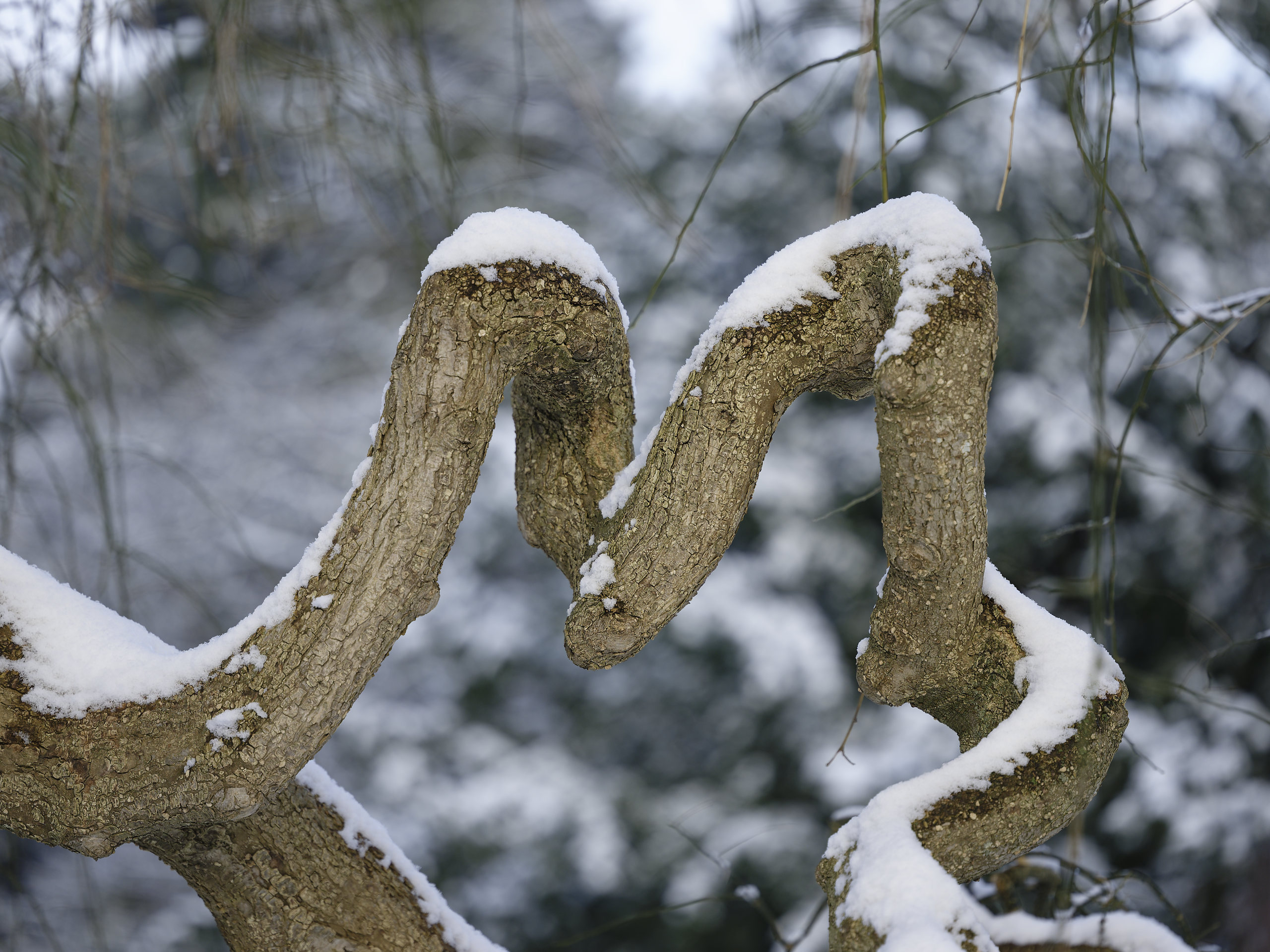
© 2026. This work is openly licensed via CC BY-NC 4.0
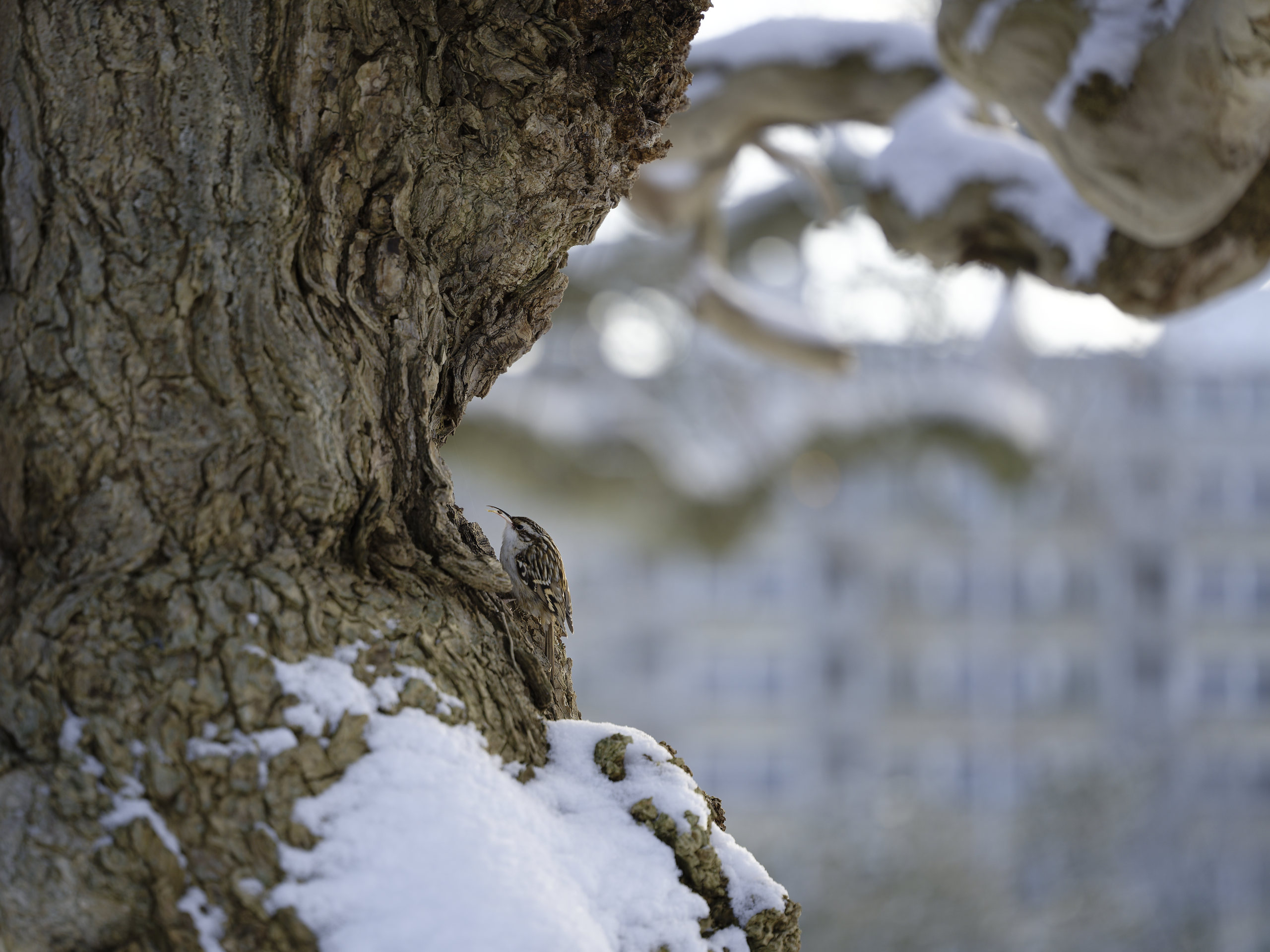
© 2026. This work is openly licensed via CC BY-NC 4.0
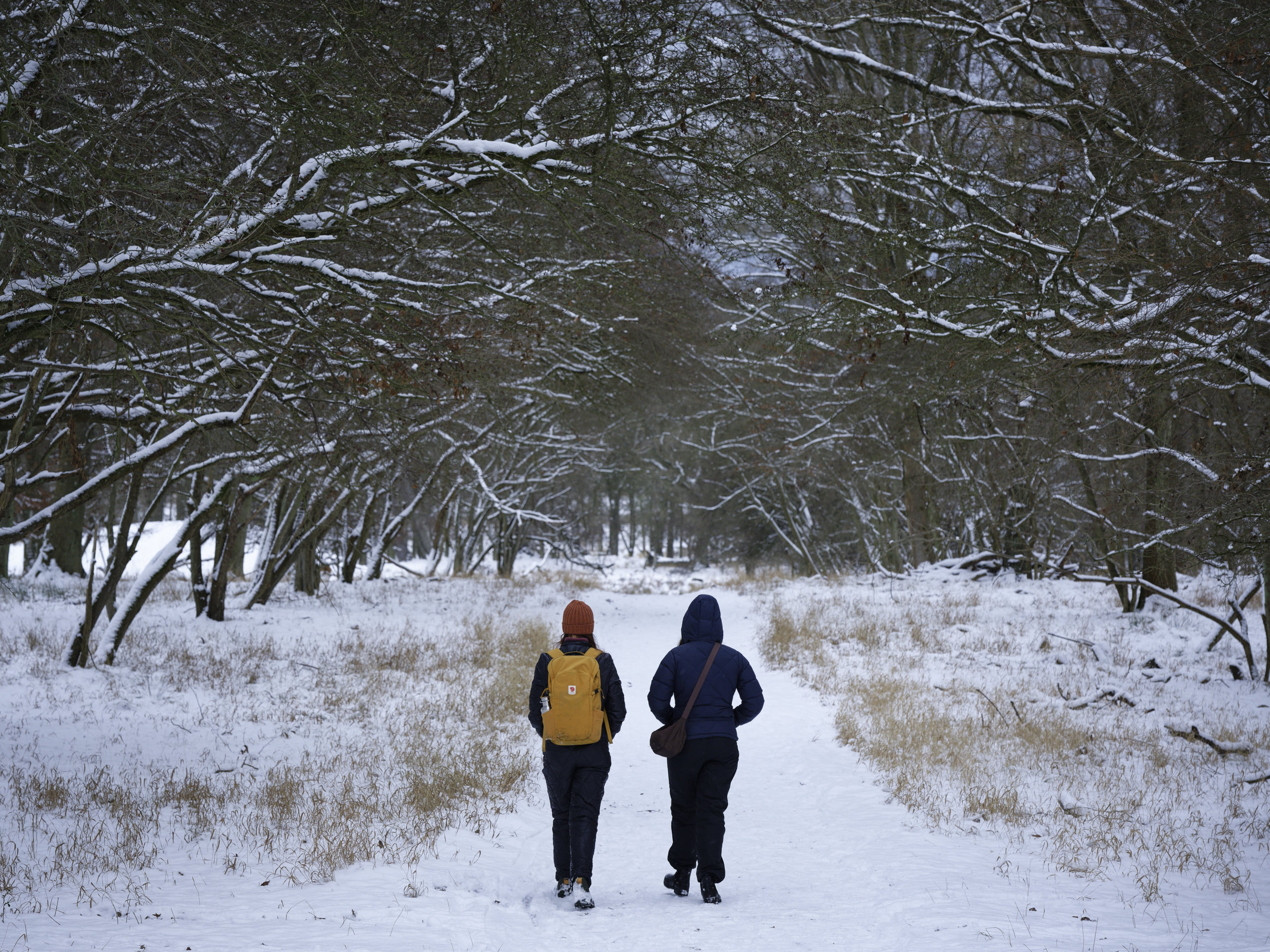
© 2026. This work is openly licensed via CC BY-NC 4.0
Snowglobes
I’ve been really enjoying the 6mm circular fisheye lens lately – here’s a winter special:
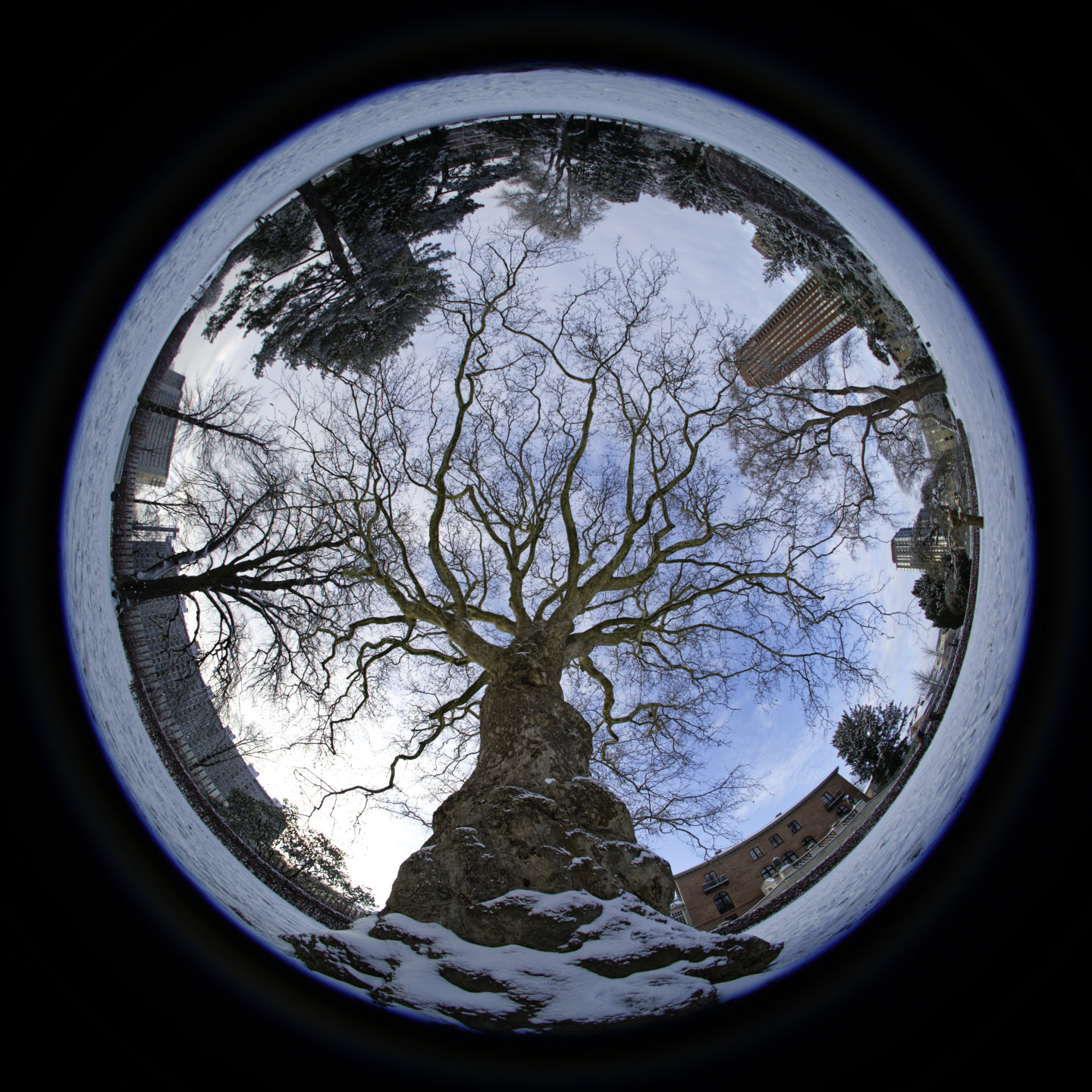
© 2026. This work is openly licensed via CC BY-NC 4.0
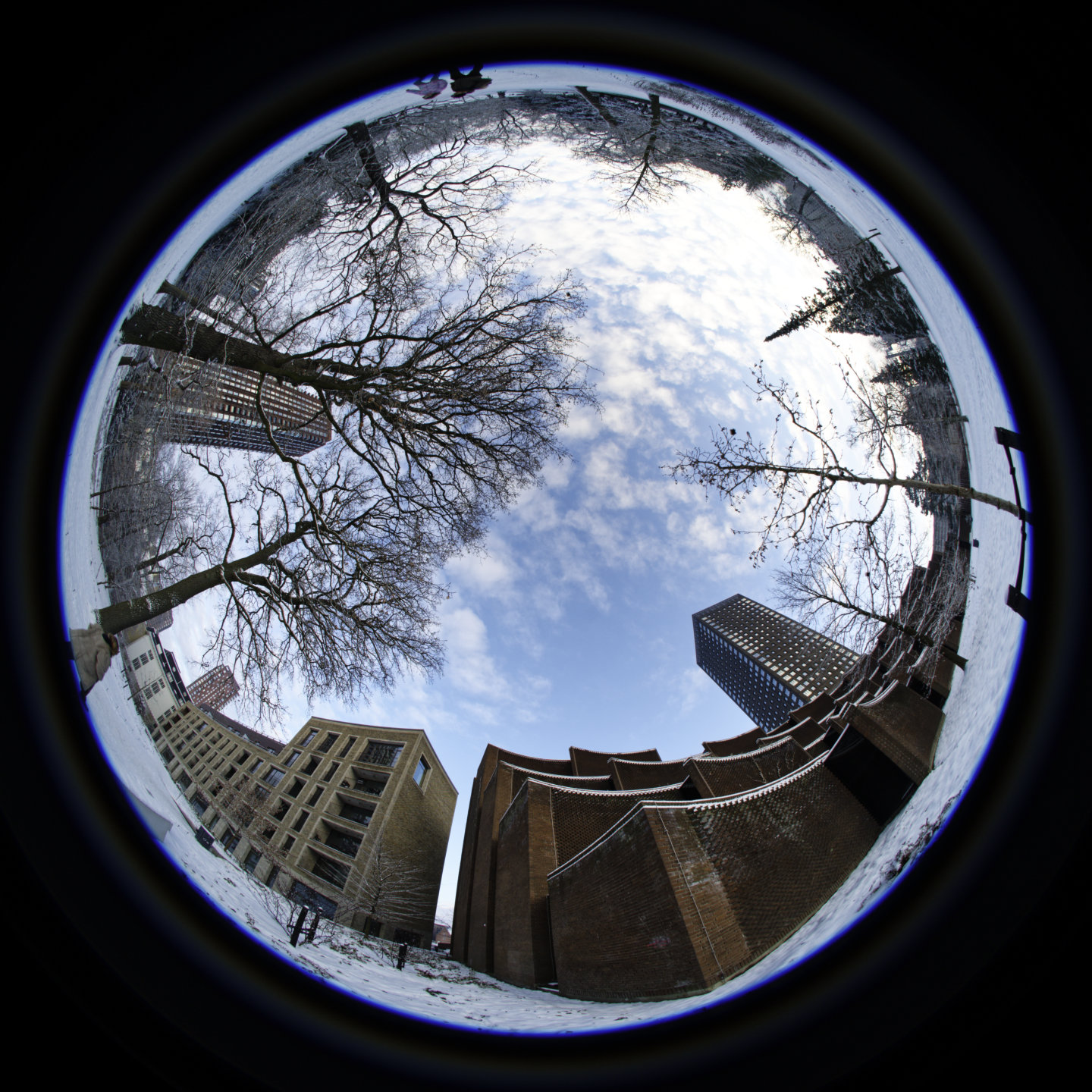
© 2026. This work is openly licensed via CC BY-NC 4.0
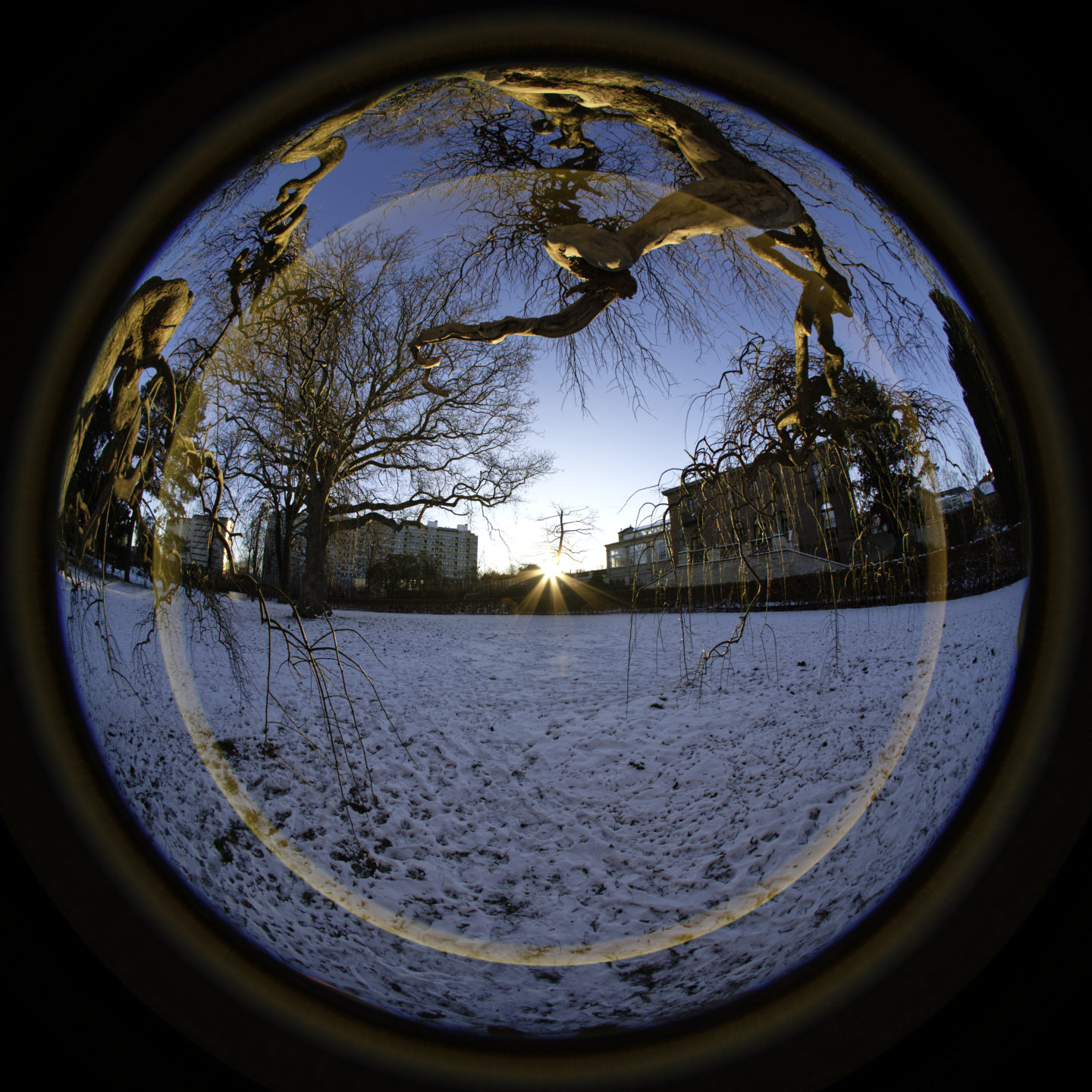
© 2026. This work is openly licensed via CC BY-NC 4.0
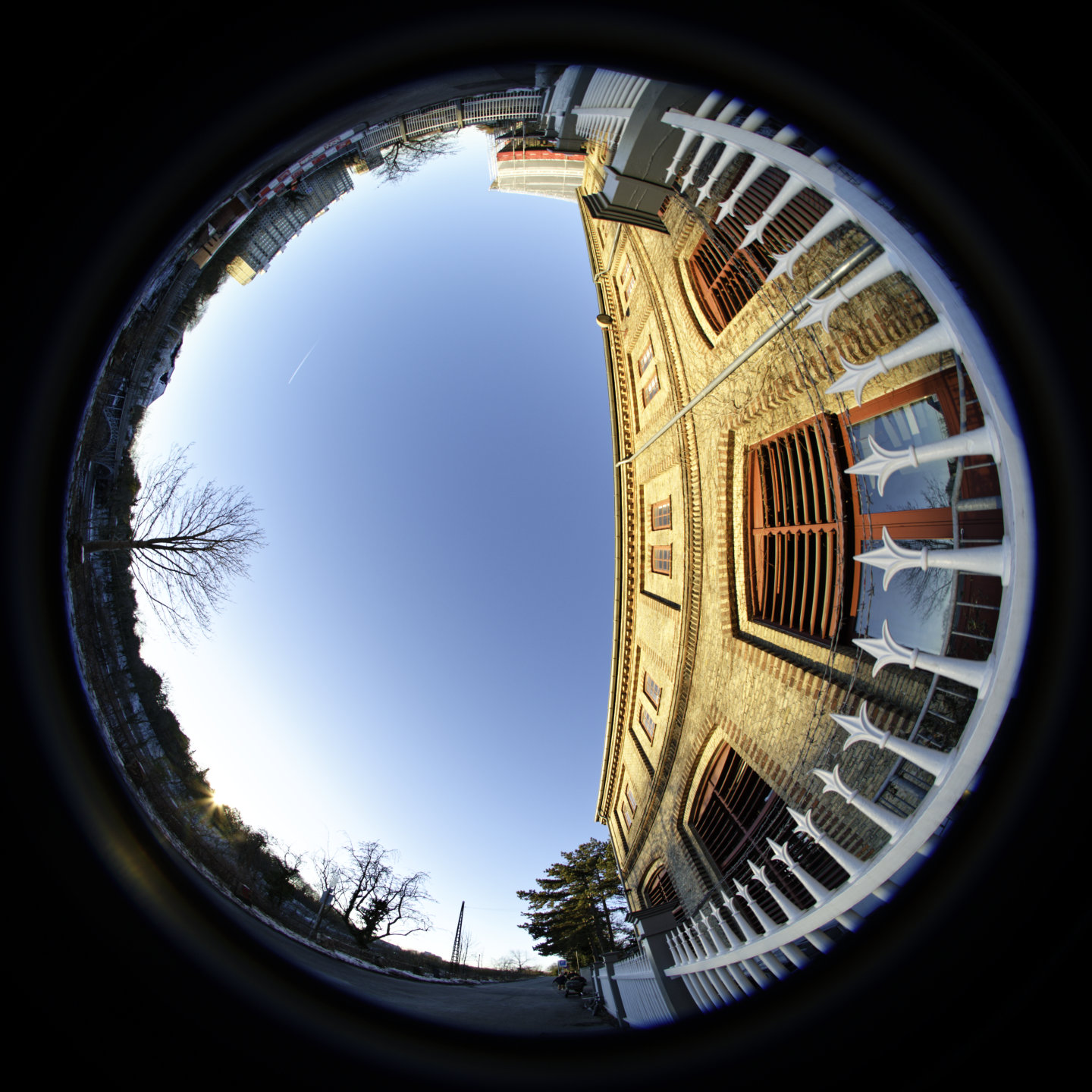
© 2026. This work is openly licensed via CC BY-NC 4.0
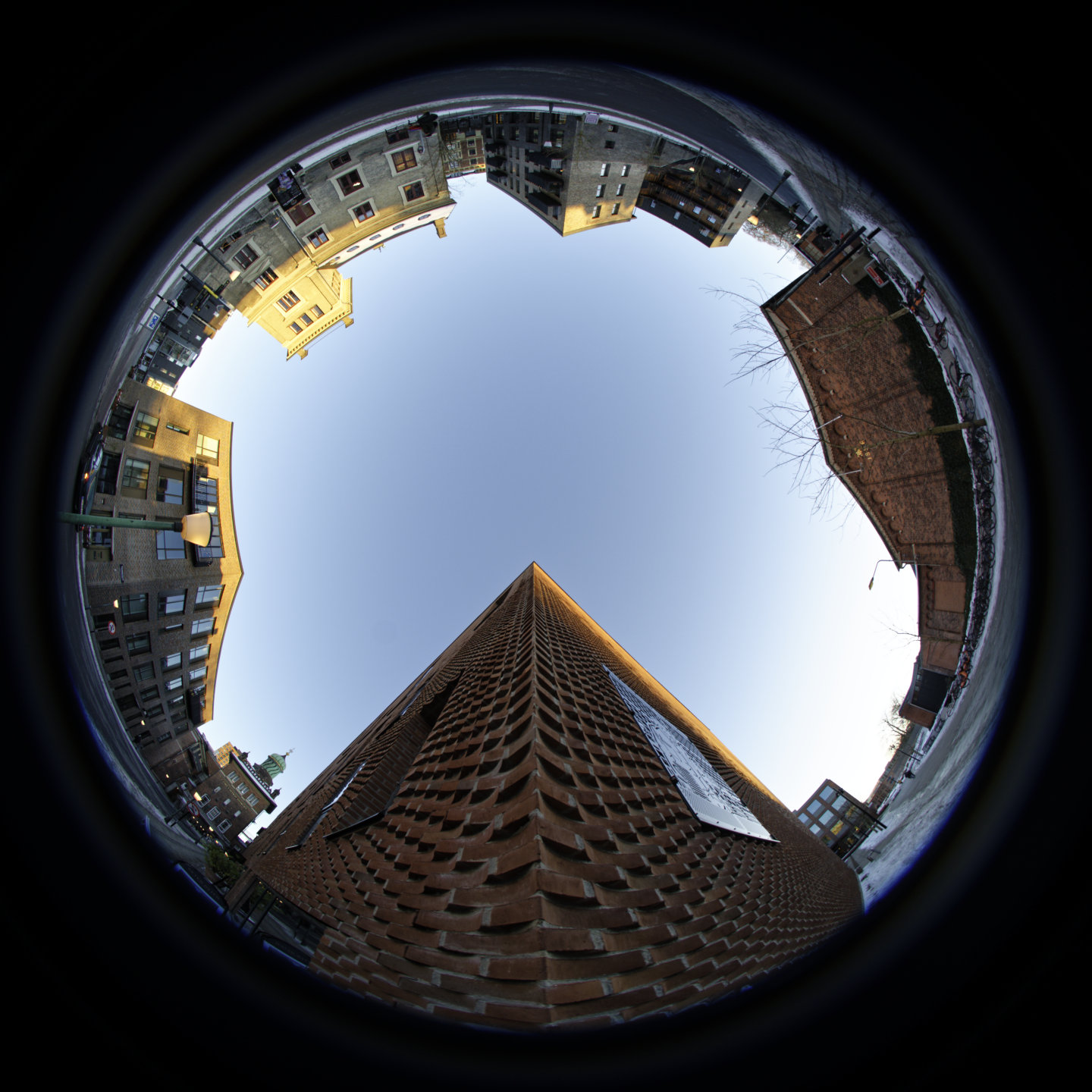
© 2026. This work is openly licensed via CC BY-NC 4.0
Singapore
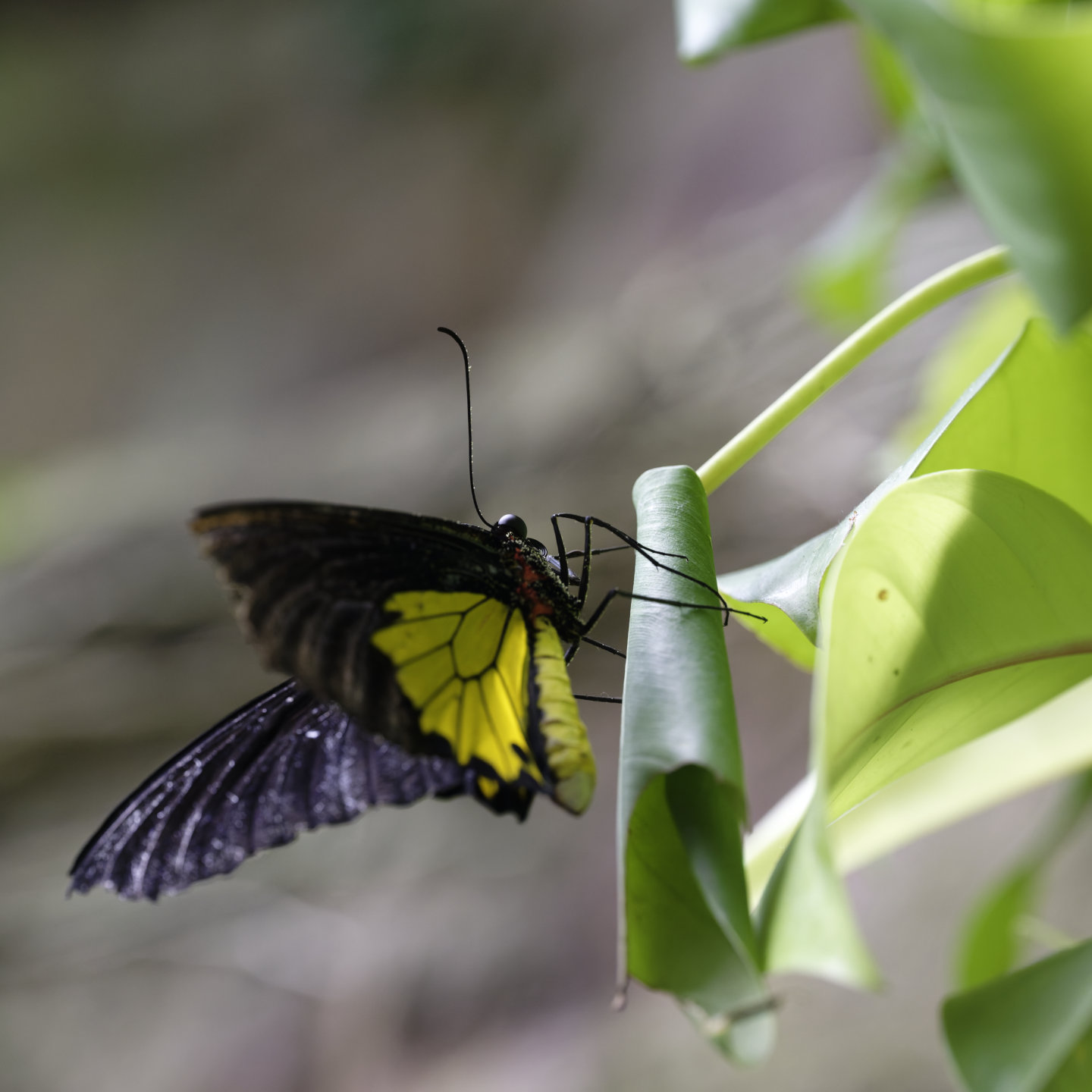
We stopped in sunny Singapore for a few days on our way to NZ, principally to attend a family wedding. Having only transited through Singapore airport, I was curious to see what this island was like.
The humid, 30°C weather was much welcomed – and I’m pretty sure all the time in the sauna has made me appreciate humid climates more. While it is a small (~700 square km), yet populous (~6 million) island, there is more green than your average city. While this greenery doesn’t feel ‘natural’ per se, it has a positive effect on the urban environment.
The diversity of food was amazing – countless independent food markets and stalls, serving a variety (and fusion) of Chinese, Malaysian, and Indian foods. Public transit was also excellent, with an efficient underground metro servicing most of the island.
While purportedly a democracy, Singapore has been governed by a single party (the People’s Action Party) since gaining independence in 1965. Some consider this political situation to be “Soft Authoritarianism”2. Roughly ~40% of residents are not Singaporean citizens3, with the majority performing lower-paid work, and the minority “foreign talent” enjoying high pay with generous tax incentives. I feltl that there were a small number of people in Singapore who have A LOT of money, and while the country boasts a high GDP, one gets the sense that this ‘wealth’ is not so evenly shared.
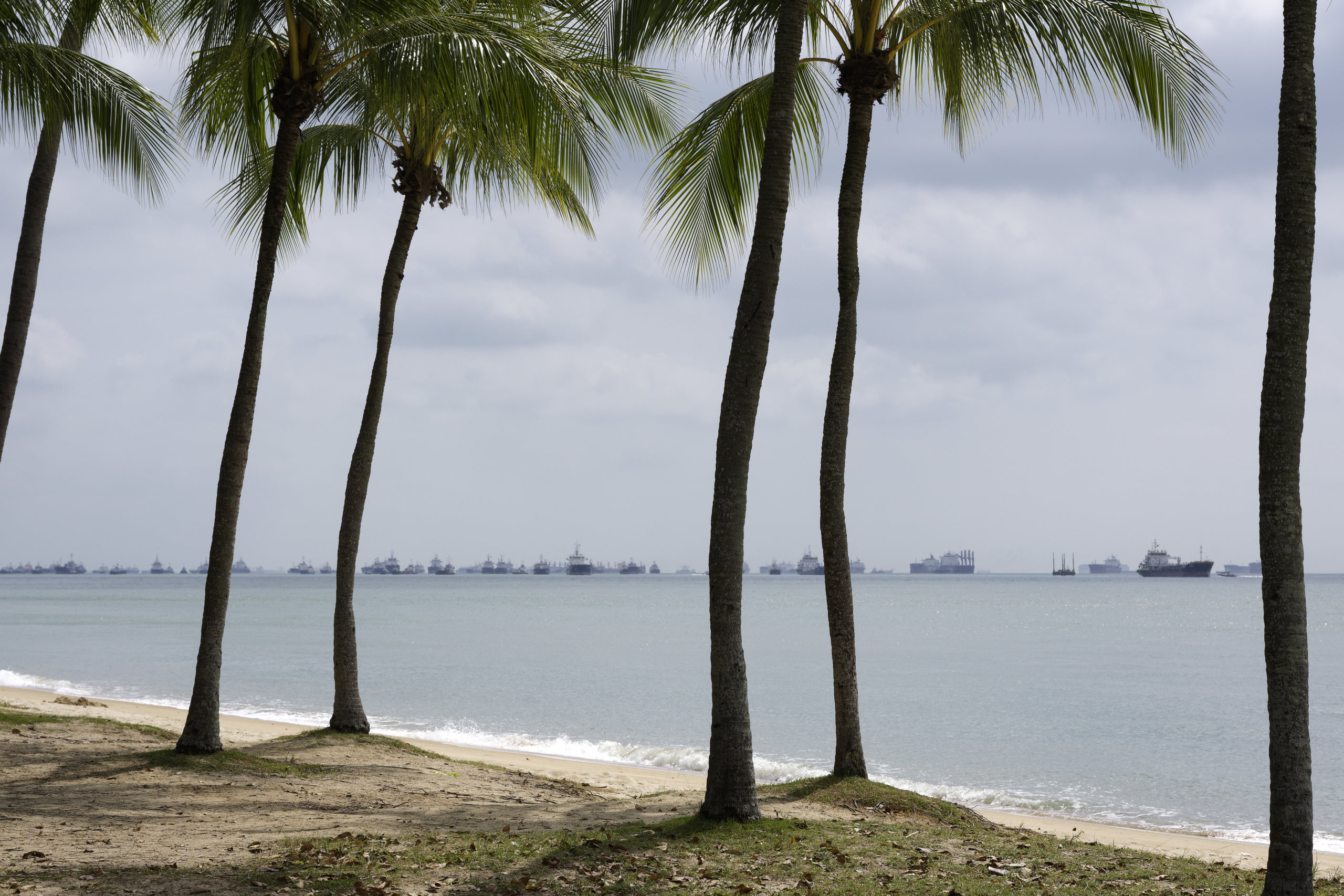
© 2026. This work is openly licensed via CC BY-NC 4.0
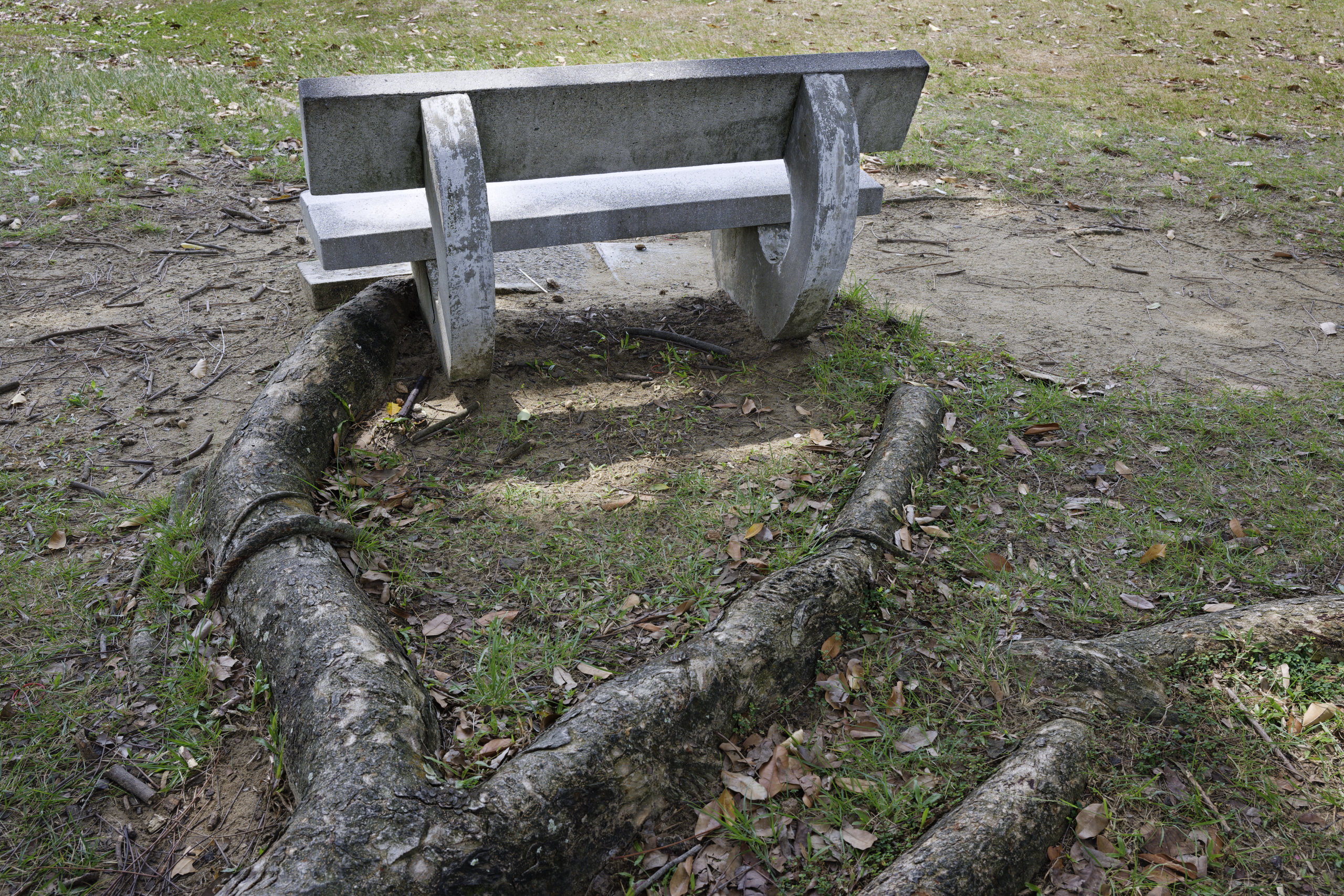
© 2026. This work is openly licensed via CC BY-NC 4.0
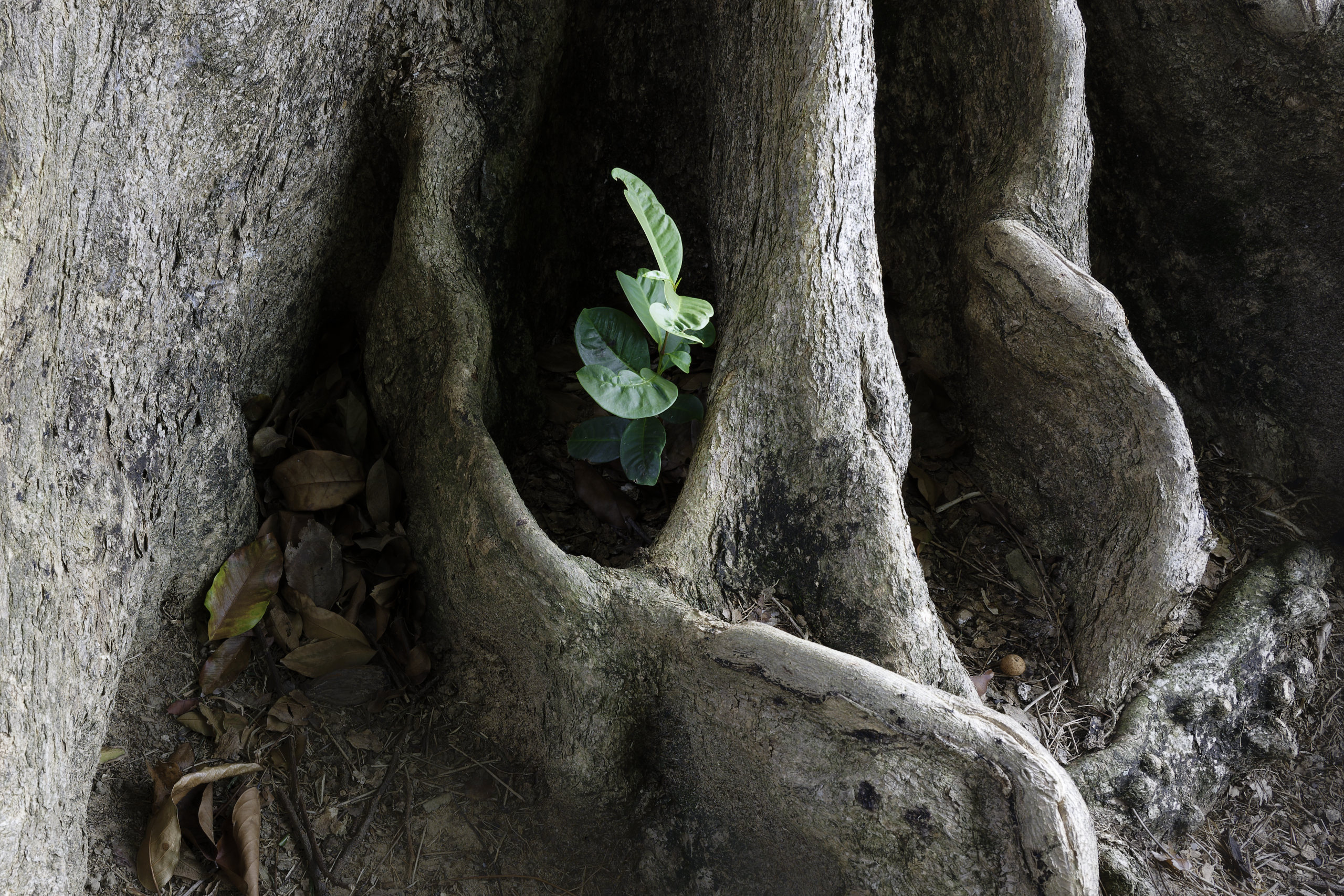
© 2026. This work is openly licensed via CC BY-NC 4.0
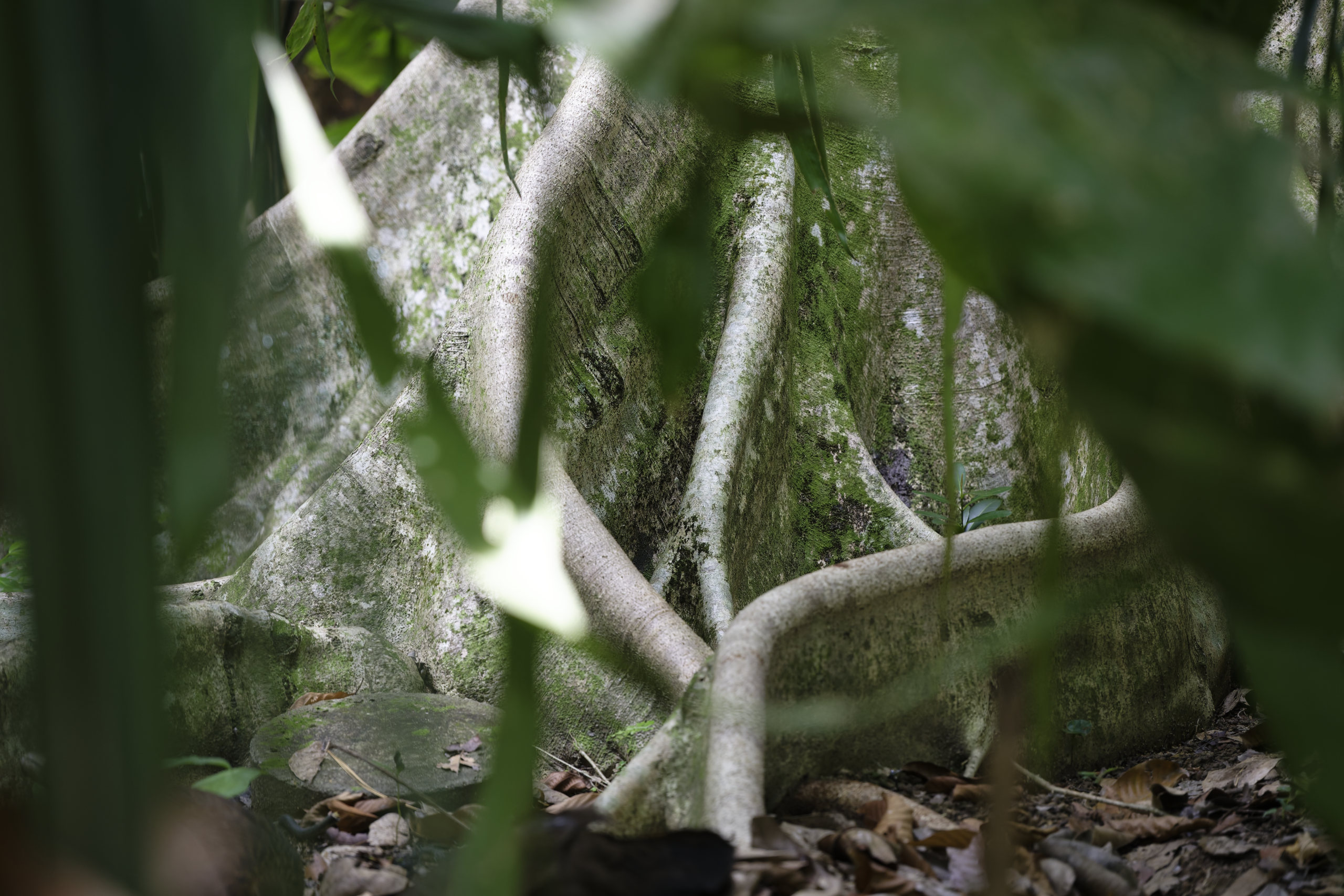
© 2026. This work is openly licensed via CC BY-NC 4.0
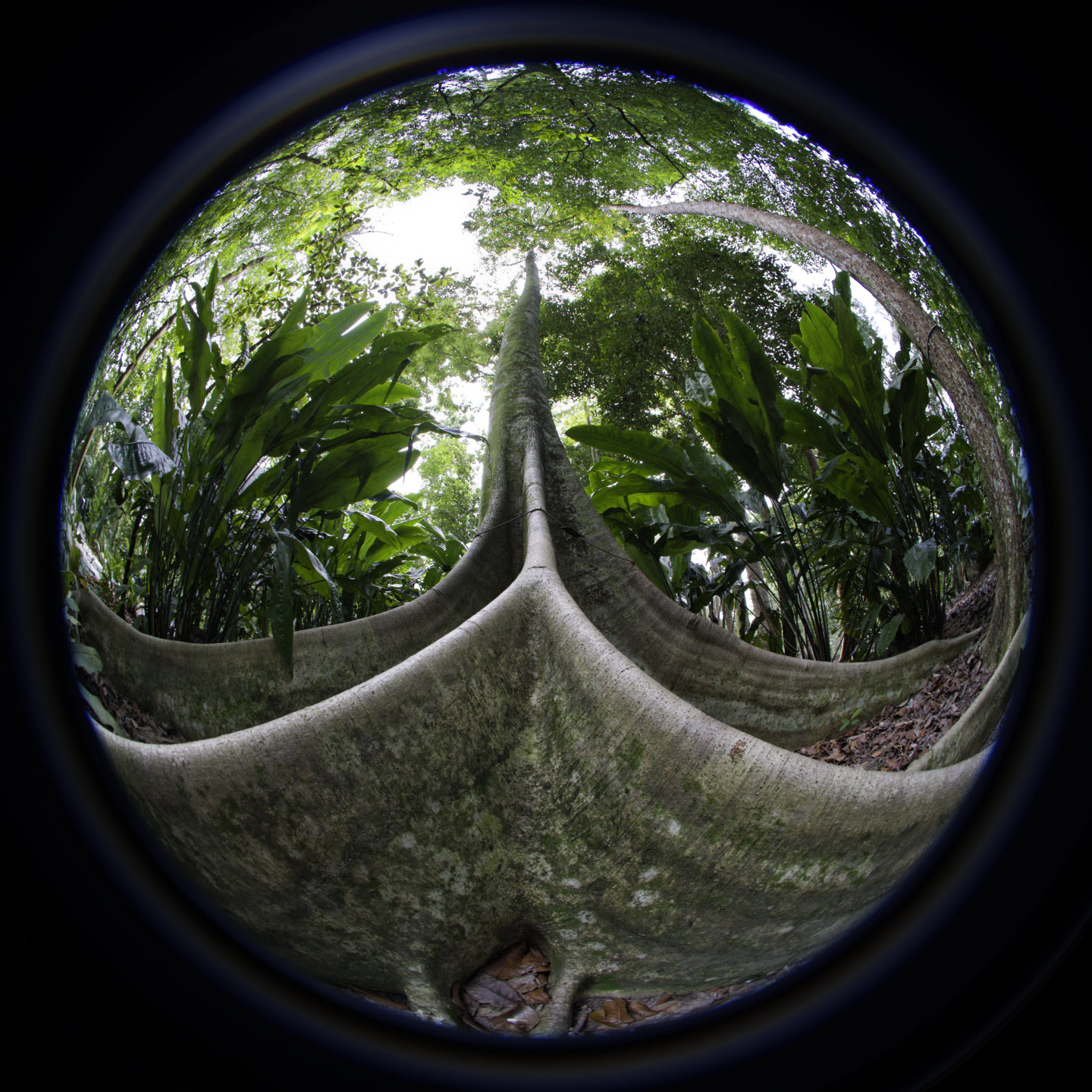
© 2026. This work is openly licensed via CC BY-NC 4.0
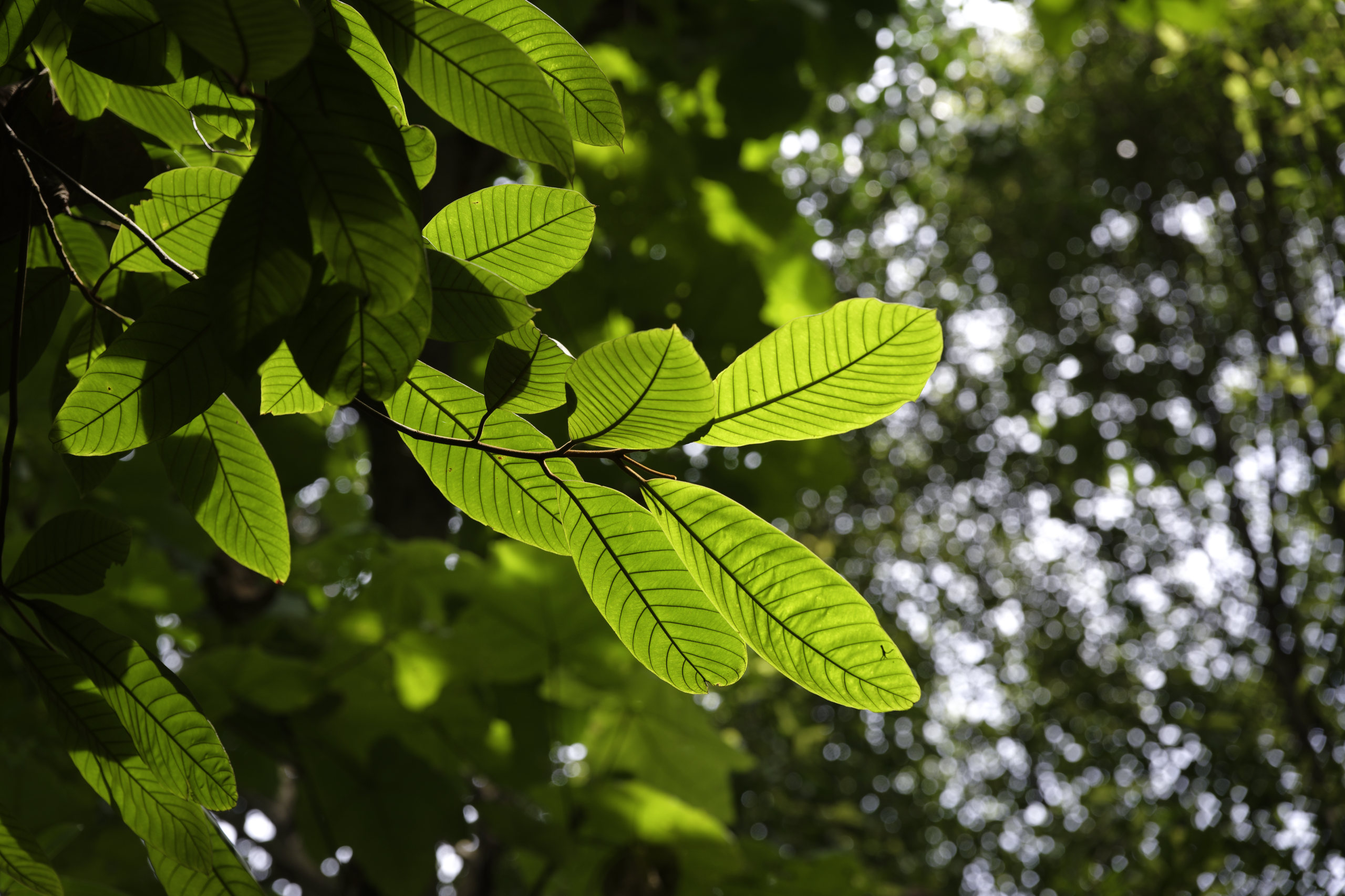
© 2026. This work is openly licensed via CC BY-NC 4.0
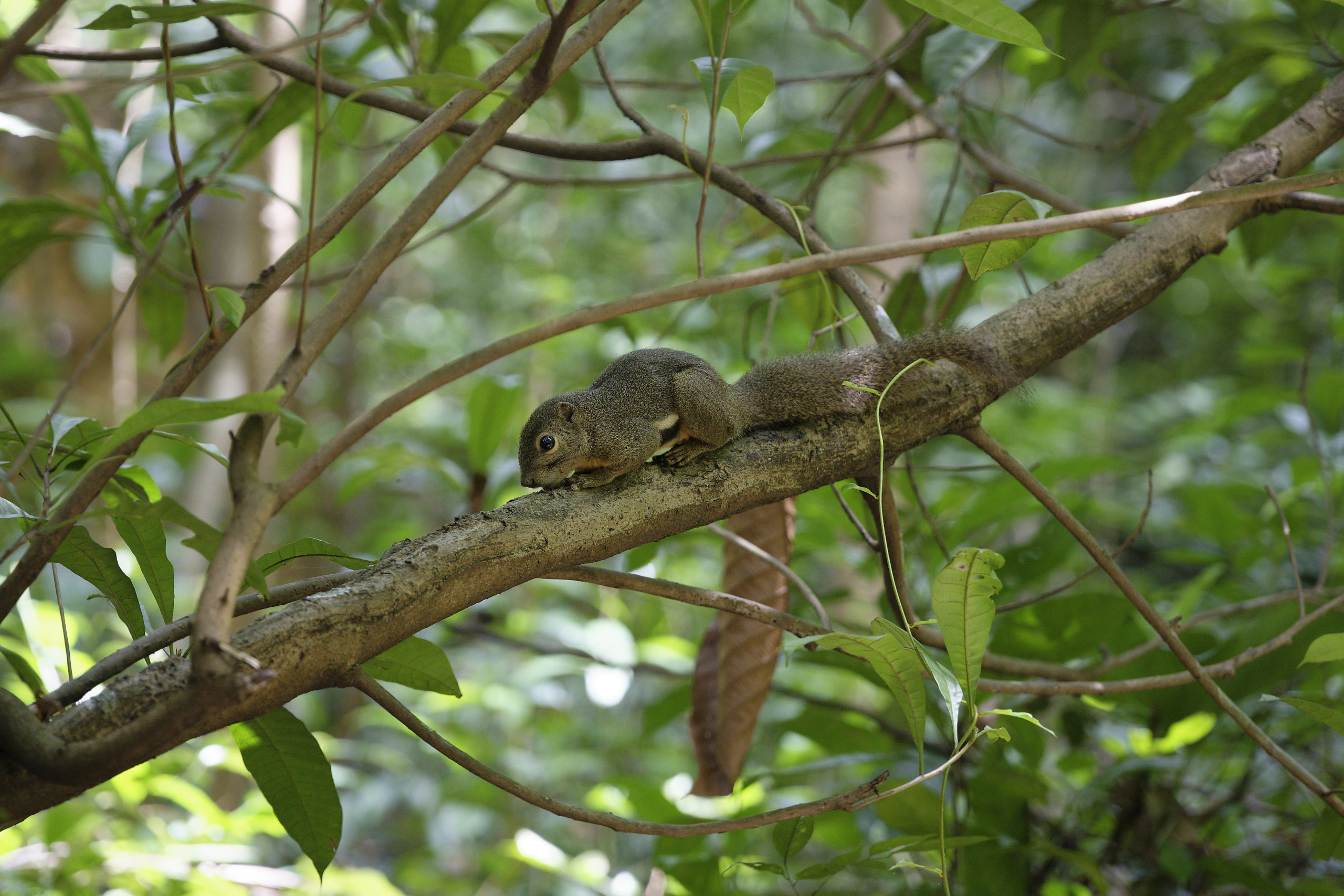
© 2026. This work is openly licensed via CC BY-NC 4.0
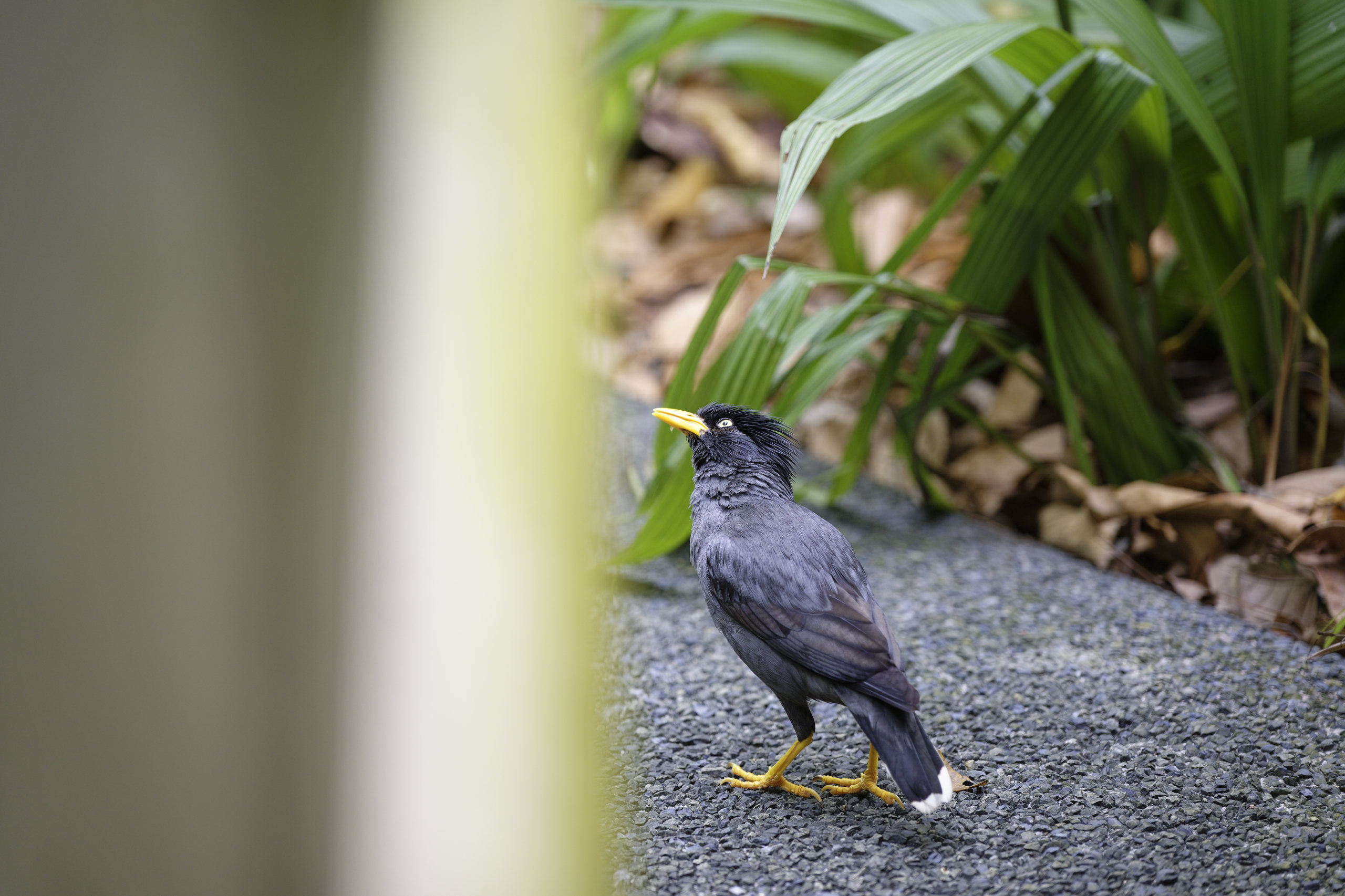
© 2026. This work is openly licensed via CC BY-NC 4.0
© 2026. This work is openly licensed via CC BY-NC 4.0
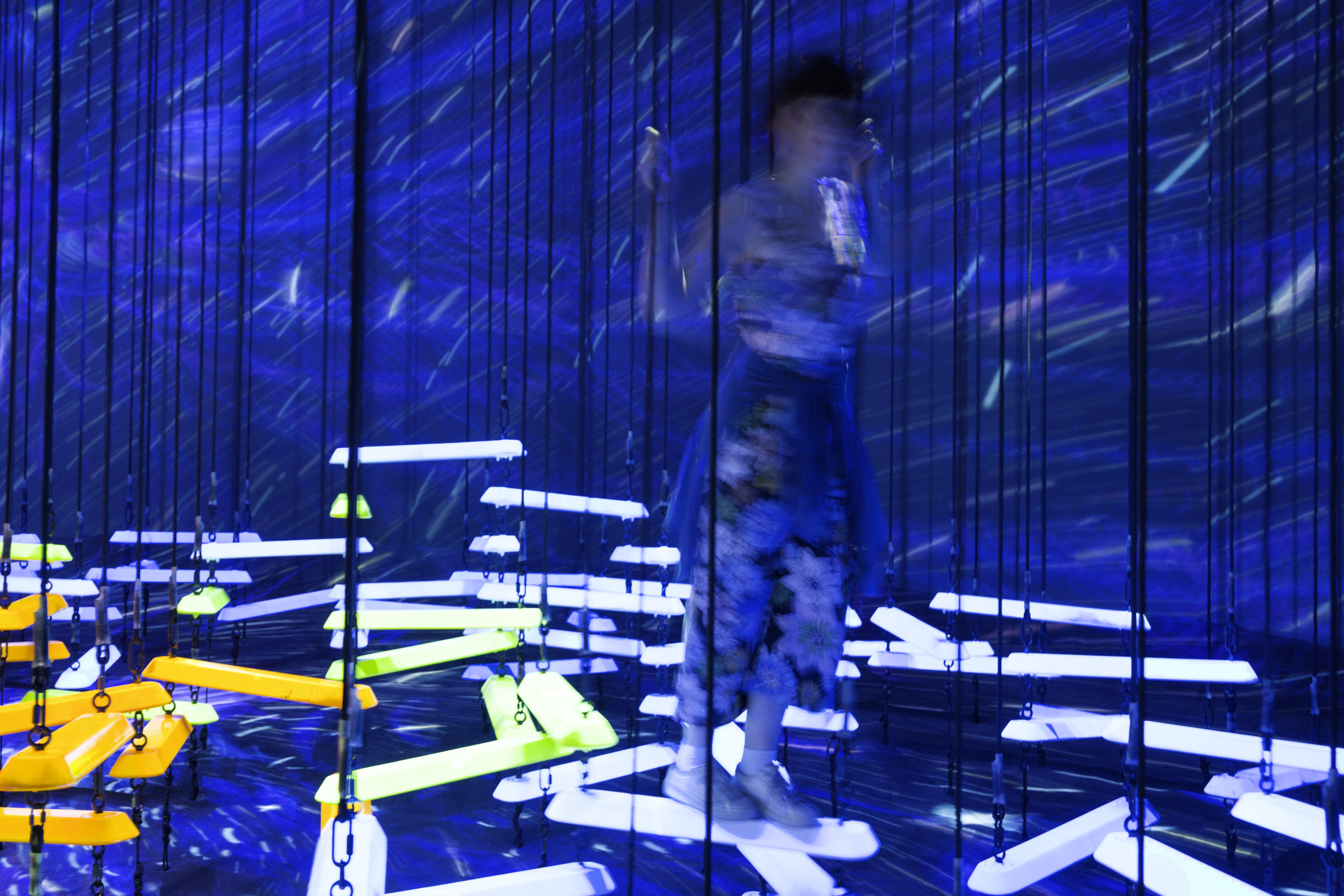
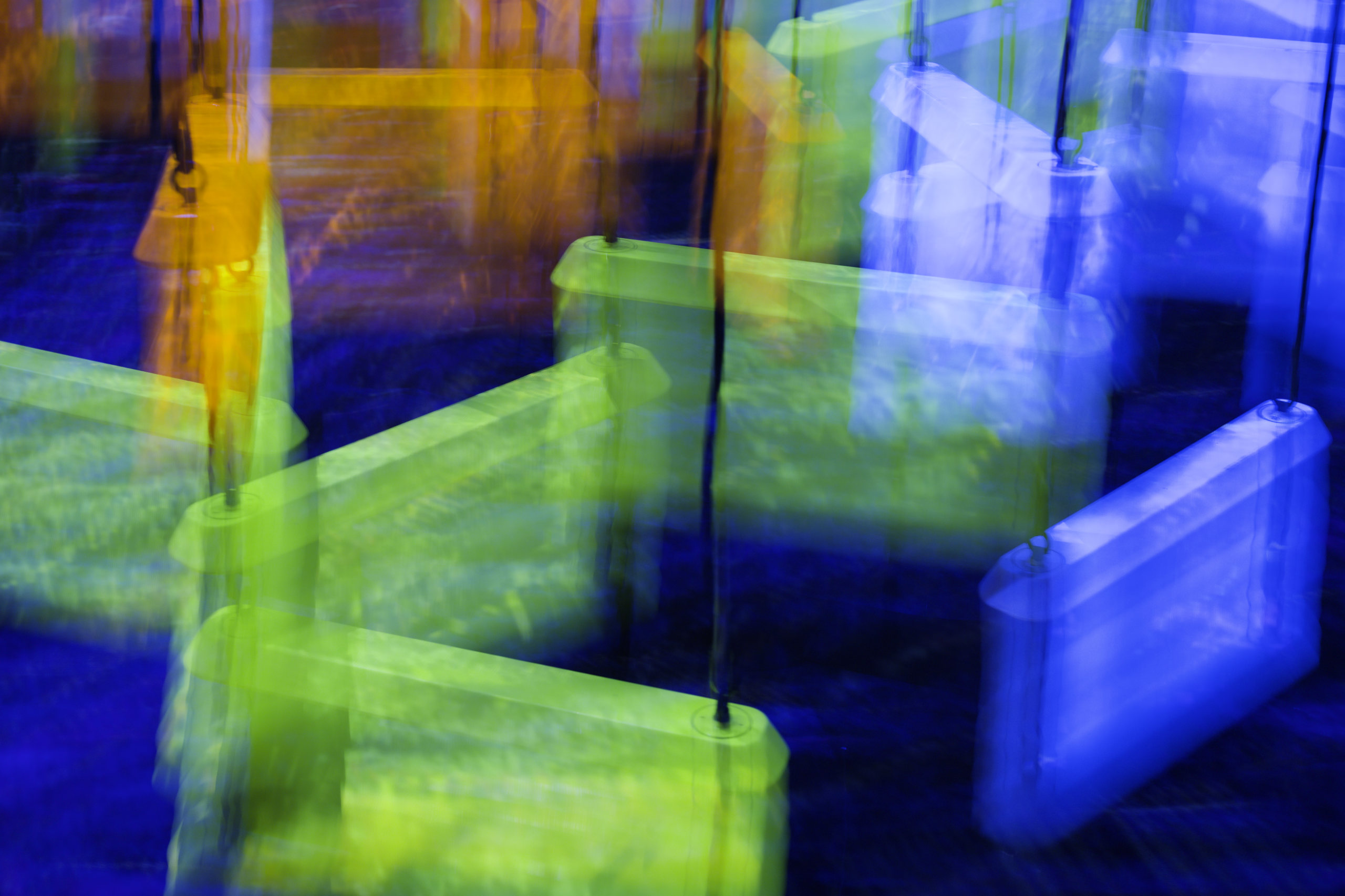
ArtScience museum, Singapore:
© 2026. This work is openly licensed via CC BY-NC 4.0
© 2026. This work is openly licensed via CC BY-NC 4.0

© 2026. This work is openly licensed via CC BY-NC 4.0

© 2026. This work is openly licensed via CC BY-NC 4.0
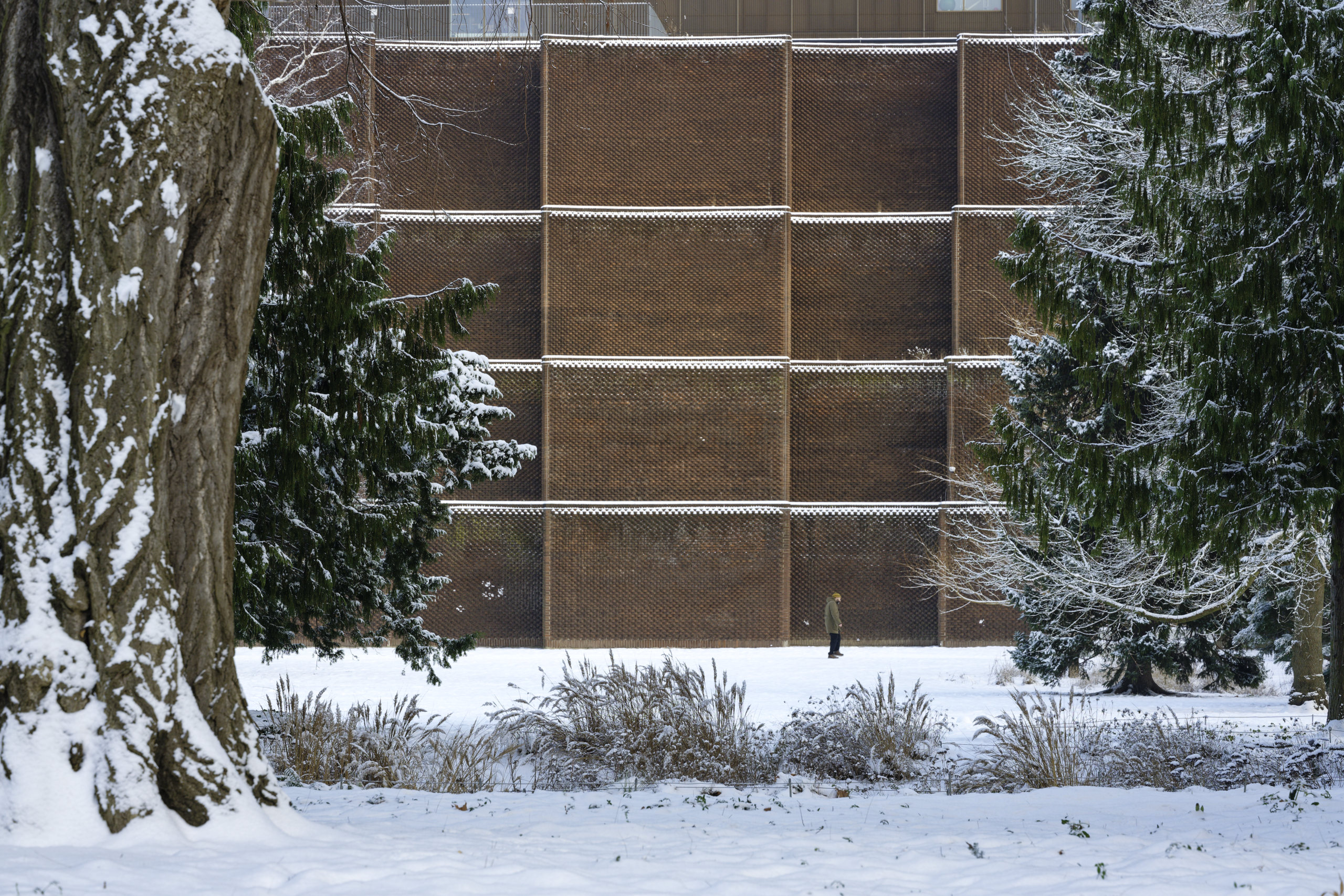
Photo of the month
Visually: Closed and fairly balanced composition, contrast between cold and warm, and a person providing a sense of scale.
Symbolically: I’d love to hear your interpretation.
© 2026. This work is openly licensed via CC BY-NC 4.0
Interesting things I’ve read/watched
Trees. Are. Amazing. I’ve always had a soft spot for trees after studying plants in university, and this video does a great job of communicating the complexity and splendour of how trees work.
What does gig work, colonialism, and Large Language Models (LLMs) have in common? Excellent pieces (1) (2) about how workers from the Global South are exploited by US-led Big Tech for an essential part of LLM training (data labelling).